
Nigeria’s agricultural future will not be determined solely by the volume of what we produce, but by the strength, efficiency, and integrity of the systems that make production possible.
For decades, the national conversation on agriculture has focused largely on output hectares cultivated, yields recorded, and food supply gaps measured. While important, this lens has often obscured a deeper structural reality: productivity in agriculture is fundamentally a function of inputs access, quality, affordability, and the systems that deliver them at scale.
Today, Nigeria stands at a critical turning point. With a population projected to exceed 250 million within the next decade, rising urbanisation, climate pressures, and shifting consumption patterns, the question is no longer whether agriculture must transform, but how quickly and how effectively that transformation can be executed.
The answer lies upstream.
Seeds determine yield potential. Fertiliser determines soil productivity. Mechanisation determines scale. Finance determines access. Data determines efficiency. Infrastructure determines market reach. Policy determines coordination. And partnerships determine whether these elements function as a system or remain fragmented.
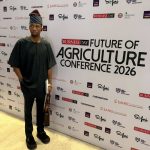
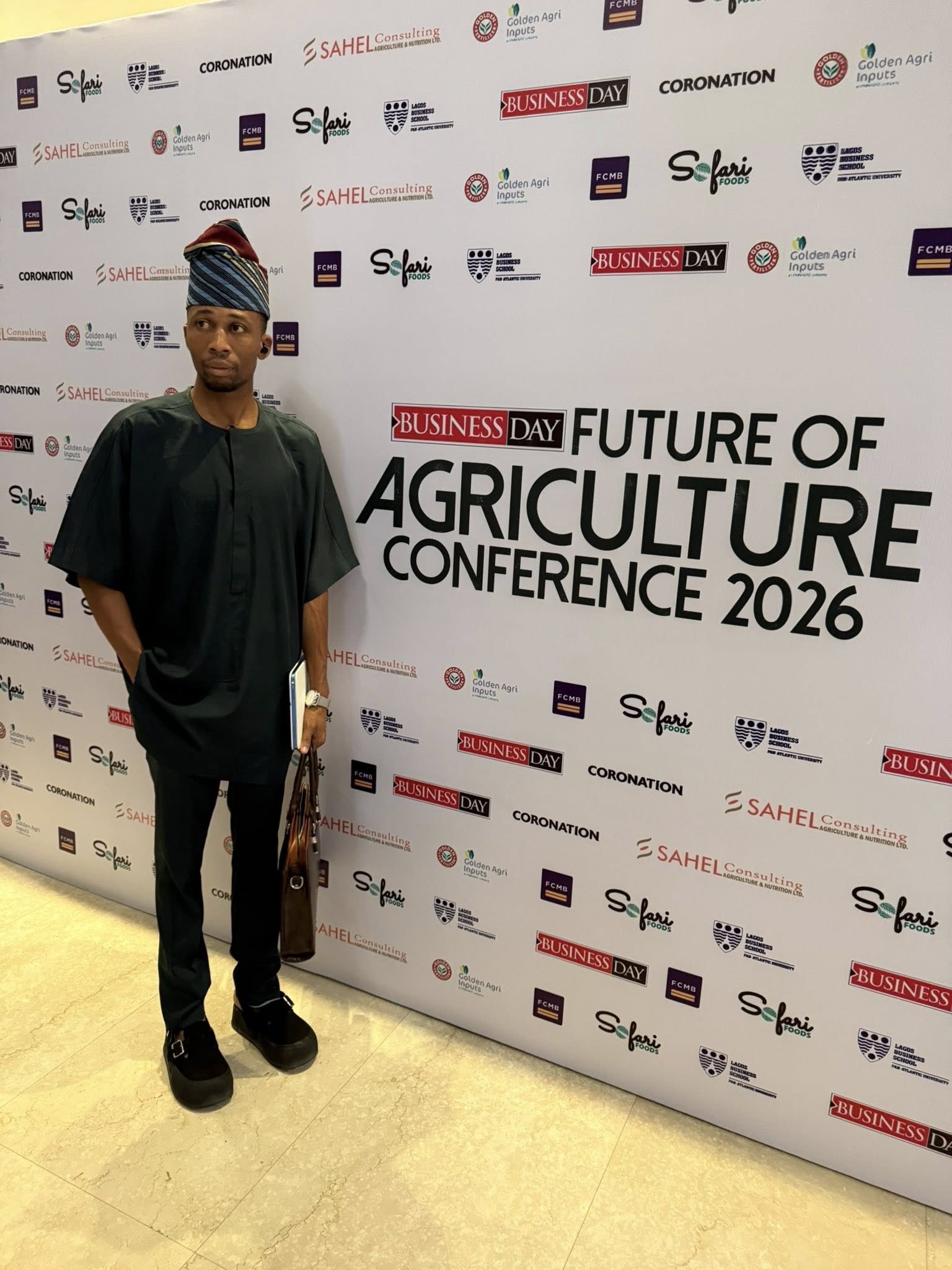
This is the context for the Future of Agriculture Conference 2026, under the theme:
“From Seed to Feed: Strengthening Agricultural Inputs for Food Security.”
Building on the momentum of previous industry conversations that challenged Nigeria to move from scarcity to food security, this year’s focus must go beyond diagnosis to execution. It must be deliberately centered on the foundational levers that unlock productivity, resilience, and profitability across the agricultural value chain.
Agriculture is not merely a sector; it is a strategic pillar of national stability, economic diversification, and inclusive growth. The responsibility before stakeholders government, agribusiness, financial institutions, technology providers, and development partners is to move from intent to implementable action.
This is not just another conversation. It must become a working platform.
A platform to surface practical solutions, spotlight scalable innovations, unlock investment pathways, and strengthen the partnerships required to build a modern agricultural system that works—for farmers, for businesses, and for the nation.
The future of agriculture in Nigeria will not be built in isolation. It will be built through coordinated systems, aligned incentives, and sustained collaboration.
That work must continue intentionally and collectively.
#Agriculture#FoodSecurity#Nigeria#Agribusiness#Sustainability#EconomicGrowth#Innovation#Leadership